A home loan under the Turkish sun!

Straight answers for US residents working out how to pay for a home in Turkey.

English-speaking, US-friendly hours
15+ affiliated partners
25+ years of experience

Who is Turkey Home Loans for?

Most emails we get from the United States start from one of four situations. Each has its own guide, written for that situation and for a US tax return.

Vacation home buyers

You have fallen for Bodrum, Kalkan, Antalya or an Istanbul neighborhood and have started looking at listings. Before you wire a deposit, you want to know how a purchase at the Turkish land registry actually works and what it costs beyond the price.

Read the buying guide →

Buyers using US home equity

You have savings or equity in your US home. Because borrowing in lira is expensive, a HELOC or cash-out refinance at home is the route most Americans take. You want to know how far your dollars go once the fees and the exchange rate are counted in.

Read the finance guide →

Retirees and relocators

You want to spend more than the visa-free 90 days a year in Turkey, or move there on a US pension. A home can support a residence permit application, but not in every neighborhood and not below a certain value. That belongs in the plan before you buy.

Read the residence guide →

Investors and landlords

You plan to rent the property out, to vacationers or long term. Short-term rentals now need a permit in Turkey, the rent is taxed there and again on your Form 1040, and a Turkish bank account brings the FBAR with it. The numbers only work if you know those rules first.

Read the rental guide →
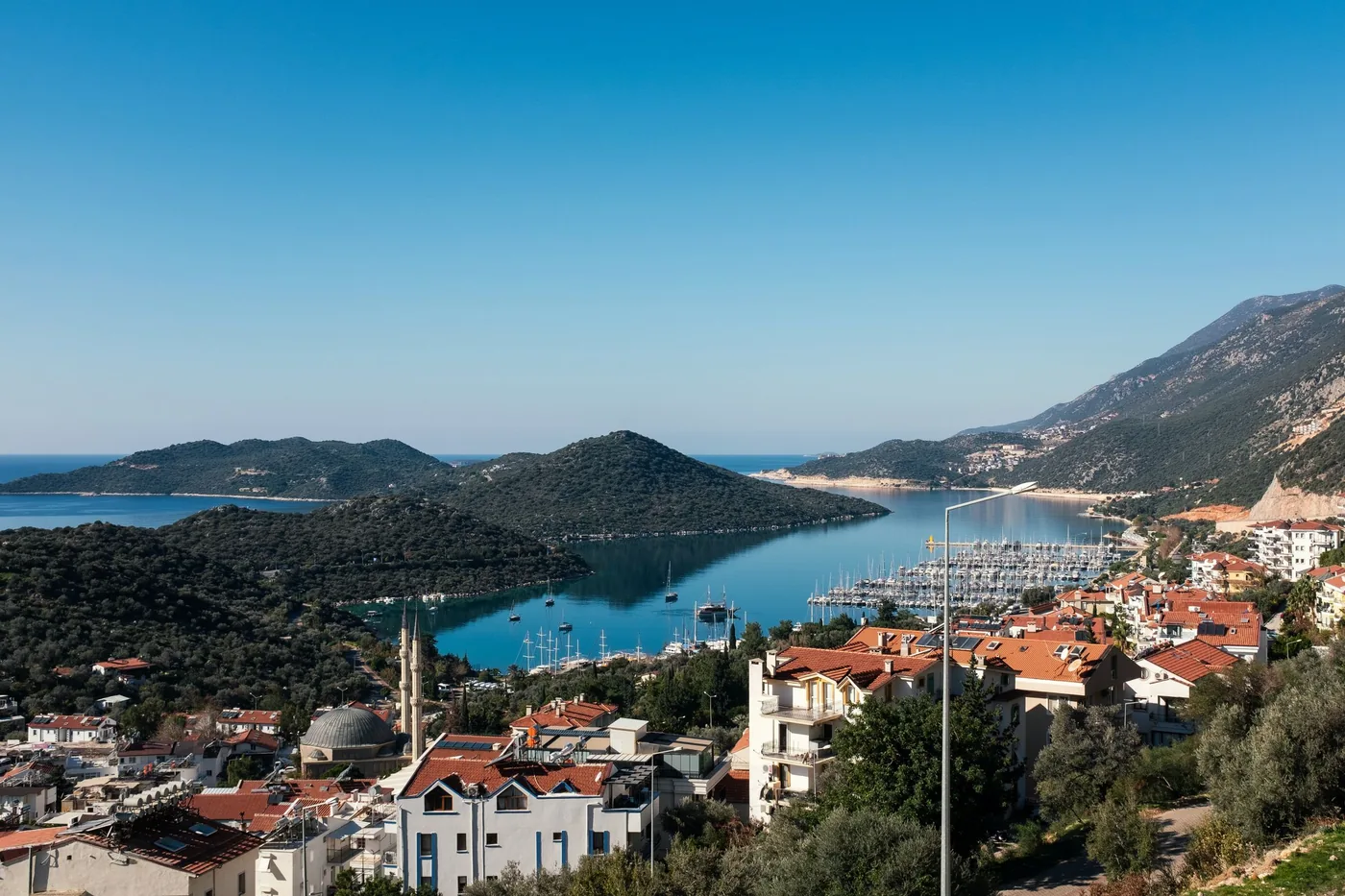
Kaş on the Turkish Riviera with its marina and bay

How does a US buyer finance a property in Turkey?

US citizens can buy a home in Turkey in their own name and have it registered at the Turkish land registry, the tapu office. Americans are not among the largest groups of foreign buyers, which is exactly why reliable, US-specific information is thin on the ground. The finance takes more thought than the buying, because Turkey has its own currency and an interest rate far above anything you know from home.

Turkey Home Loans helps you set out the realistic routes before you commit. We look at the whole picture, from equity in your US home to savings or a combination, and connect you with the right specialist in Turkey.

Figures on this page last checked: .

Villa with a private pool in Kalkan at dusk

Why borrowing in lira rarely pays

Turkish banks lend to private individuals in lira. The Turkish central bank has held its policy rate at 37 percent since January 2026, and market sources put home loans to foreign buyers at around 40 percent a year, with 30 to 50 percent down and terms of 10 to 15 years. Compare that with the 7.40 percent Freddie Mac reported for a 30-year fixed mortgage in the US on October 15, 2026. Anyone who earns in dollars and borrows in lira also carries the exchange rate: the lira lost about 18 percent against the dollar in the twelve months to October 2026.

That is why most US buyers fund the purchase differently: from savings, from a HELOC or cash-out refinance on their US home, or from a combination. On that route your US home is the collateral, the interest is not deductible because the money buys a home abroad, and that deserves its own decision. We work through the routes with you without promising anything: every loan remains subject to the lender's underwriting.

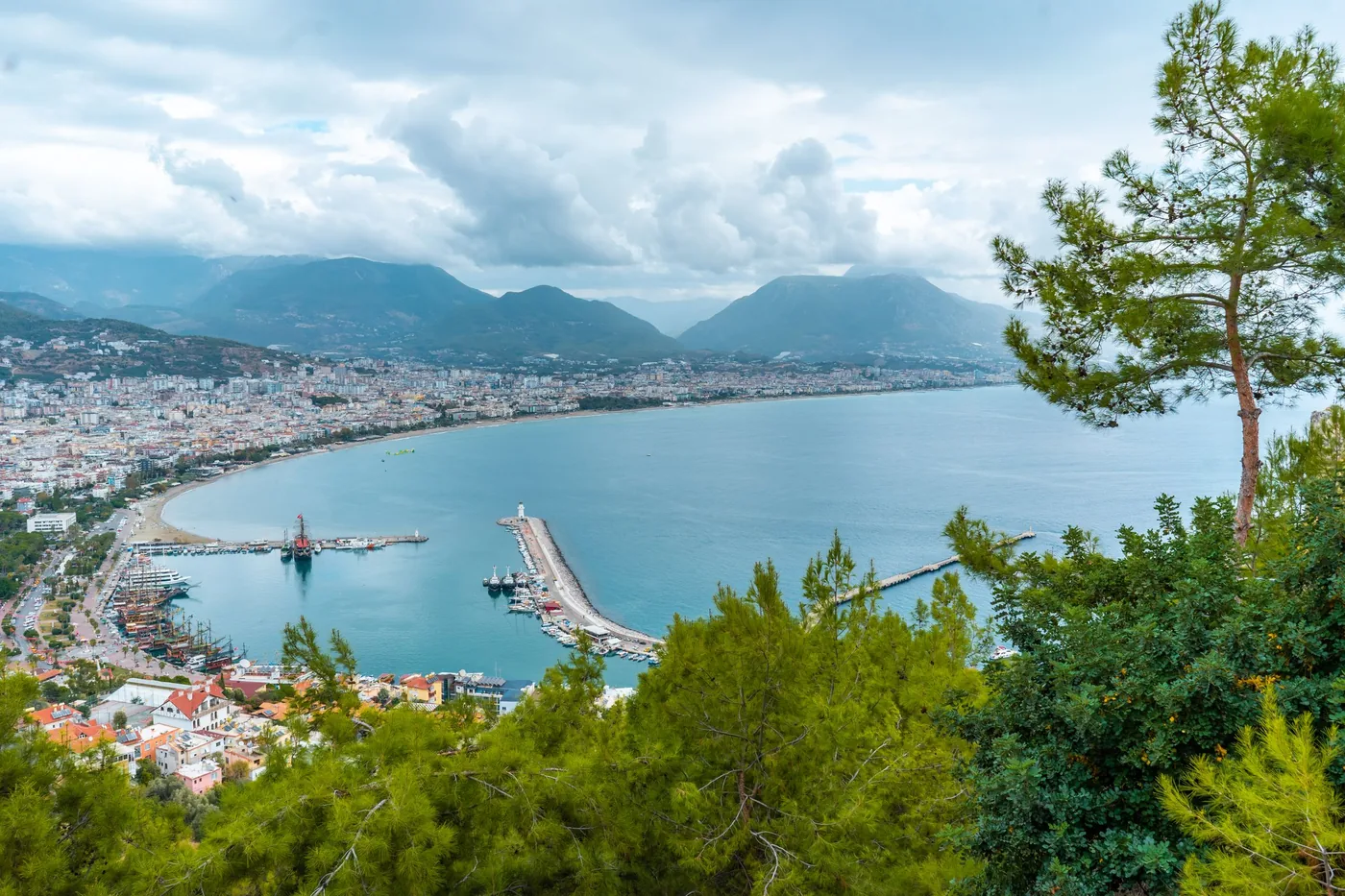
View over Alanya with the harbor, the bay and the Taurus mountains

Budget for the closing costs, not just the asking price

The largest item is the title deed fee at the land registry, the tapu harcı. It is 4 percent of the declared value, legally split as 2 percent for the buyer and 2 percent for the seller. In practice the whole amount often lands with the buyer. The declared value may not be lower than the municipal tax value of the property.

On top of that come a sworn translator at the transfer if you do not speak Turkish, the compulsory earthquake insurance DASK, attorney fees and possibly an appraisal. Since 2022 the dollars you bring must be sold to a Turkish bank, which issues the currency purchase certificate the tapu office asks for. These costs come out of your own funds. Count them in from the start, or your search range will have to come down later.

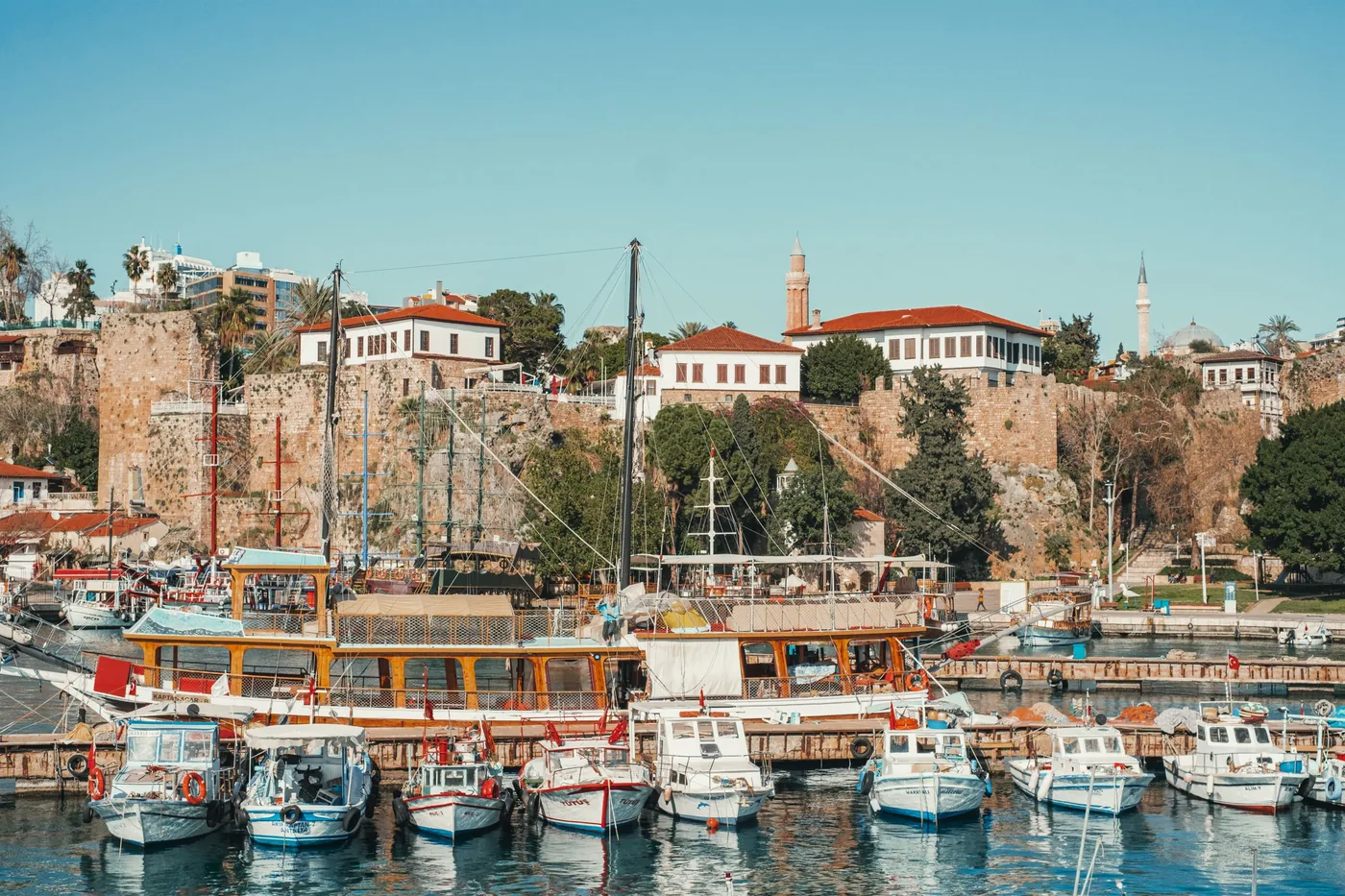
Old harbor of Antalya with fishing boats below the Kaleiçi walls

Support beyond the loan

A purchase in Turkey involves the real estate agent, an attorney, a sworn translator, the bank, an insurer and the land registry. The registry checks, among other things, that the plot lies outside military forbidden zones and security zones, and the title deed, the tapu, only goes into your name once the transfer fees are paid. Some US documents need an apostille and a certified translation.

Our cross-border network works in English, across the time zones, and helps you coordinate the right professionals, so that language, paperwork and a seven-hour time difference do not become the reason a sound purchase stalls.

  • feasibility of your finance route;
  • coordination of the purchase and documents;
  • introductions to a Turkish attorney, accountant or insurer where needed;
  • communication with agents and advisers on the ground;
  • practical guidance for non-resident buyers.
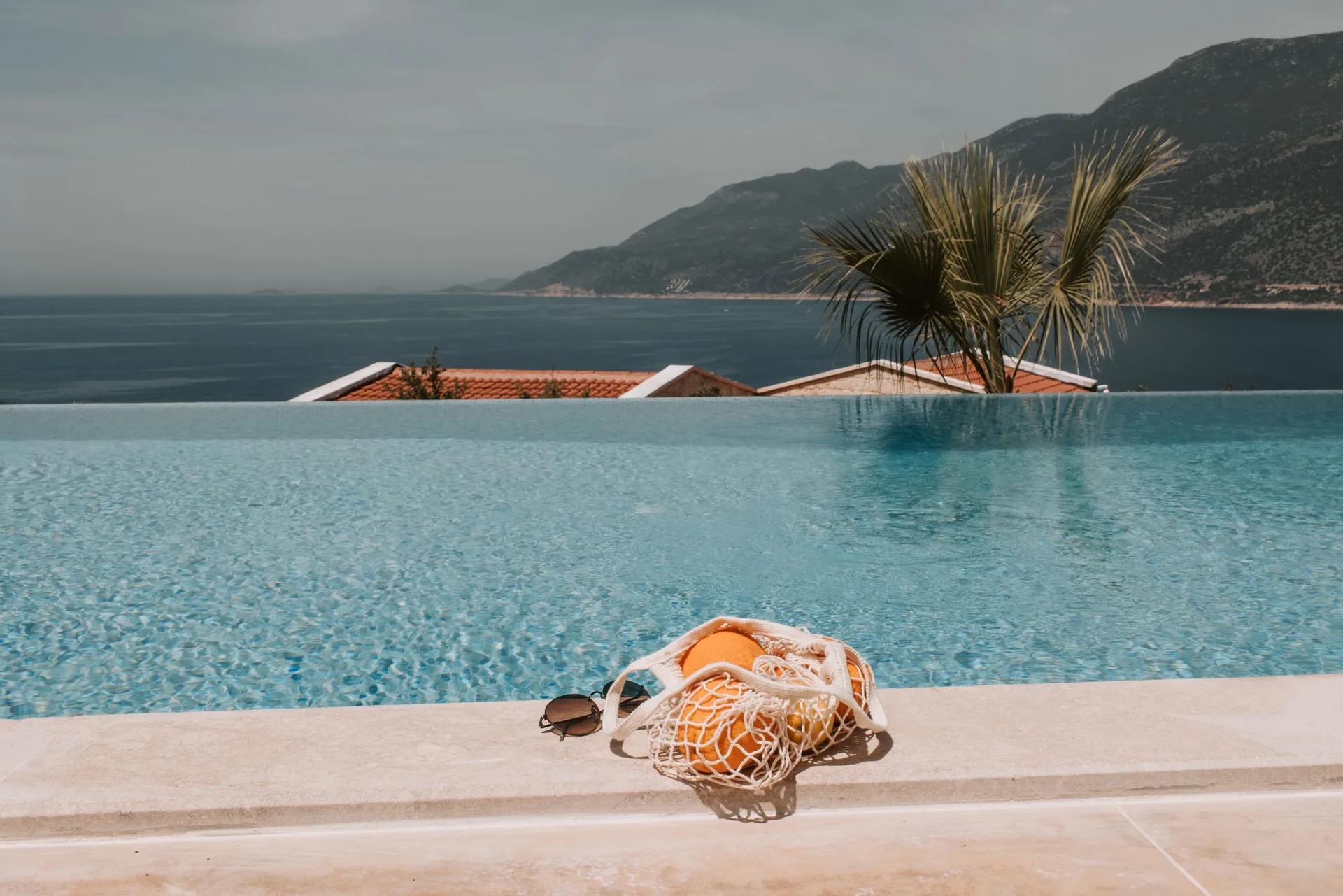
Terrace with an infinity pool above the hills near Kaş

Guidance for US buyers in Istanbul, on the Turkish Riviera and beyond

Istanbul and Antalya province together took more than two thirds of the 21,534 homes Turkey sold to foreigners in 2025. Americans tend to look at Istanbul for city living and rental demand, and at Bodrum, Kalkan, Fethiye and Antalya for a vacation home, from apartments in town to villas in the hills. Turkey is earthquake country, so the year of construction, the structural condition and the permits of a property deserve attention before you sign.

If you are thinking of staying longer, check per address whether the neighborhood is open to new registrations of foreign residents. We help US buyers across Turkey compare what they can raise, their own contribution, the closing costs and the timetable before they wire a deposit.

Tijmen Box
Tijmen
Box
Bas Terpstra
Bas
Terpstra
Selma Khudeir
Selma
Khudeir

Merhaba!

Meet an approachable team that listens first, explains the cross-border process in plain English and brings in the right expertise in Turkey. We are based in the Netherlands, which puts us in the same working day as both the Turkish professionals and your morning.

  • 100+people choose us every month
  • 5core team members
  • 10+specialists in our network
  • 15+collaborating partners

And we are still growing. More about us

Our network and collaborating partners:

Guidance through the whole purchase

Need more than a mortgage?

We help you with the financing. Would you also like help with searching, viewing and closing on the property? Through Property Guidance Network we match you with a PGN-certified specialist who lives and works in Turkey.

Mortgage scan Turkey

Map your budget in dollars, your finance routes and your next steps before you wire a deposit.

Start my mortgage scan

Client experiences

What buyers value most: a clear order of steps, an honest picture of what is feasible and guidance in their own language.

We average 5 stars on Google Reviews

The named reviews come from our Google profile. Other clients gave their feedback directly and preferred not to be named.

Questions US buyers ask about a home in Turkey

Borrowing in lira, the tapu transfer, residence rules and the IRS side are unfamiliar ground. These answers are a starting point, not a lending decision and not personal legal or tax advice.

Alanya with the harbor and the mountains behind

What Americans usually ask

All percentages and rates mentioned are orientation based on public sources from 2026 and expressly not an offer. Every loan is subject to the lender's assessment of income, appraisal and criteria. Turkey Home Loans is part of a Dutch firm and is not a US-licensed lender, mortgage broker or investment adviser.

Start with financial clarity

Before you fly out again or wire a deposit, it pays to map what is feasible, how much of your own money is needed and which finance route deserves a closer look.

Your first review sets out the likely sticking points, the useful documents and the next specialist. It is not a lending offer and not a personal recommendation, but it gives your search a firmer footing.